
Small Spaces, Big Harvests: Creative Beginnings
Today we explore starter gardens in upcycled containers, turning everyday objects into thriving mini-ecosystems that fit balconies, windowsills, and stoops. Expect practical steps, surprising success stories, and the confidence to plant your first seeds in vessels rescued from closets, curbsides, and attics, all while saving money and reducing waste.
Finding Containers with Stories
Great containers don’t start at a garden center; they begin with a curious eye. Think coffee tins with a vintage label, a dented stockpot, or a wooden drawer whose handle still rattles. When you choose vessels that once held memories, your seedlings inherit character, while you gain a sustainable, budget-friendly foundation that sparks conversation and keeps useful materials out of landfills.
Household Castoffs That Thrive Outdoors
Look around your home for sturdy options: stainless steel colanders, enamel pots, food-grade buckets, or storage bins. Wash them thoroughly, remove lingering odors, and check for rust or sharp edges. If they once held chemicals, skip them entirely. Many kitchen items already have perforations, which means instant drainage; add a breathable liner, and you’ve got a planter with personality and durability that helps beginners succeed fast.
Curbside Treasures and Thrifted Gems
Neighborhood walks can reveal forgotten beauties: wicker baskets, metal toolboxes, and ceramic crocks begging for basil or mint. Thrift stores and flea markets provide budget-friendly surprises, often with delightful patina. Prioritize integrity and size over looks, then seal porous surfaces. A little sanding or a coat of non-toxic paint transforms tired finds into practical containers that feel bespoke, eco-conscious, and ready for seedlings by the weekend.
Testing Safety, Durability, and Size
Before planting, test structure and balance by filling the container with water and gently rocking it. Check for wobble, handle strain, and cracks that widen. Choose food-safe plastics or inert materials, and avoid treated wood touching soil. Match container depth to roots: greens and herbs need modest space, while dwarf tomatoes appreciate more. Getting sizing right prevents stress, encourages steady growth, and reduces repotting surprises.
Drainage, Soil, and Healthy Roots
Successful container gardens start with airflow and moisture management. Drill or punch drainage holes, add a mesh or coffee filter to keep soil from escaping, and prioritize light, fluffy potting mixes over heavy ground soil. Balanced blends promote oxygen around roots, reduce compaction, and simplify watering. With good drainage and quality media, even improvised planters turn into reliable homes where roots explore, feed, and anchor steadily.
Greens You Can Harvest in Weeks
Start with looseleaf lettuces, arugula, baby kale, and Asian greens like mizuna that flourish in shallow containers and cooler temperatures. Sow densely, harvest tender leaves often, and reseed for steady supply. These forgiving crops teach timing and watering rhythm without punishing slip-ups. Their quick feedback builds confidence, making your upcycled setup feel immediately productive, beautiful, and refreshingly practical for even the busiest weekday schedule.
Compact Flavor Powerhouses
Herbs like basil, parsley, chives, thyme, and cilantro thrive in small vessels with bright light and well-draining soil. Dwarf tomatoes, bush beans, and patio peppers offer impressive yields in limited space. Choose determinate varieties for tidy growth. Snack-sized harvests keep enthusiasm high, turning windowsills and doorstep nooks into flavorful stations where you can snip, taste, and cook without leaving home or overspending on specialty produce.
Flowers That Help and Delight
Marigolds, nasturtiums, and calendula attract pollinators, deter some pests, and glow brilliantly against the charm of vintage containers. Nasturtium leaves and flowers are edible, adding peppery bites to salads. Compact cosmos and alyssum bring gentle fragrance and beneficial insects. Mixing ornamentals with edibles creates a healthier ecosystem, encourages daily observation, and transforms a resourceful planting corner into a playful, vibrant sanctuary that invites compliments and curiosity.
Placement, Sunlight, and Design Flow
Map the Light and Move with Seasons
Observe shadows in the morning, midday, and late afternoon for a week, noting hot spots and gentle, dappled zones. Use plant caddies or felt pads to slide heavier containers as the sun’s angle changes. Embrace flexibility: spring herbs may love a bright sill, while midsummer tomatoes need airflow and space. This attention nurtures robust growth, steadier yields, and fewer stress-induced setbacks across unpredictable weather.
Wind, Heat, and Microclimates
Balconies funnel wind, brick walls radiate heat, and shaded corners retain moisture. Lean into these microclimates by placing heat-loving peppers near warm masonry, greens in cooler pockets, and tender stems behind windbreaks. A simple trellis or upcycled screen diffuses gusts. Thoughtful positioning reduces watering demands, prevents scorch, and unlocks surprising performance from small containers that might otherwise struggle under extreme conditions or sudden temperature swings.
Arranging Heights for Beauty and Yield
Place tallest plants or trellised vines at the back, mid-sized herbs in the middle, and low growers along edges to create layers of light exposure and visual depth. Elevate small pots on overturned bowls or bricks for charm and drainage. This tiered approach maximizes photosynthesis, simplifies harvesting, and makes your upcycled collection feel curated, inviting, and coherent without buying fancy stands or complicated shelving systems.
Watering Wisdom and Simple Maintenance
Consistent moisture is the secret sauce. Learn the finger test: check the top inch, and water deeply when dry. Mulch with shredded leaves or coco chips to slow evaporation. Feed lightly, prune often, and tidy leaves for airflow. A calm routine prevents stress, curbs disease, and keeps your improvised planters humming, even when schedules get busy or heatwaves sneak into the week.
A Routine You Can Actually Keep
Anchor watering to daily habits, like morning coffee or evening walks. Keep a small watering can or repurposed pitcher nearby. Note how quickly each container dries, and adjust frequency rather than quantity. Prune lightly, wipe rims, and rotate pots. These gentle touches build awareness, reduce pests, and turn maintenance into a grounding ritual that rewards you with fresher flavors and calmer mornings.

Mulch and Moisture Tricks for Containers
Top-dress soil with fine bark, straw, or shredded paper to slow evaporation and shield delicate roots. In hot spells, a temporary shade cloth or strategically placed umbrella helps. Water slowly until it drains from the bottom, encouraging deep roots. Consider morning watering to reduce fungal risk. These habits stabilize your microclimate, keep soil lively, and stretch time between waterings without sacrificing plant vigor or flavor.

DIY Self-Watering from Everyday Items
Convert a two-liter bottle into a wicking reservoir: perforate the cap, thread cotton cord, invert into a drilled lid, and fill with water. Alternatively, bury clay olla-style vessels crafted from thrifted unglazed pots. These simple systems deliver moisture steadily, safeguard vacations, and mitigate summer stress, empowering beginners who worry about consistency while celebrating the ingenuity that upcycling naturally invites into everyday gardening routines.
Sustainability Wins and Upcycling Joy
Repurposed containers reduce demand for new plastics, extend material lifespans, and spark local creativity. Your garden becomes a tangible act of stewardship, proof that nourishment and beauty can grow from leftovers. Involve kids in scouting and decorating, swap extras with neighbors, and note how small changes compound. The result is abundant produce, shared pride, and fewer things destined for the bin.



Troubleshooting: Pests, Problems, and Fixes
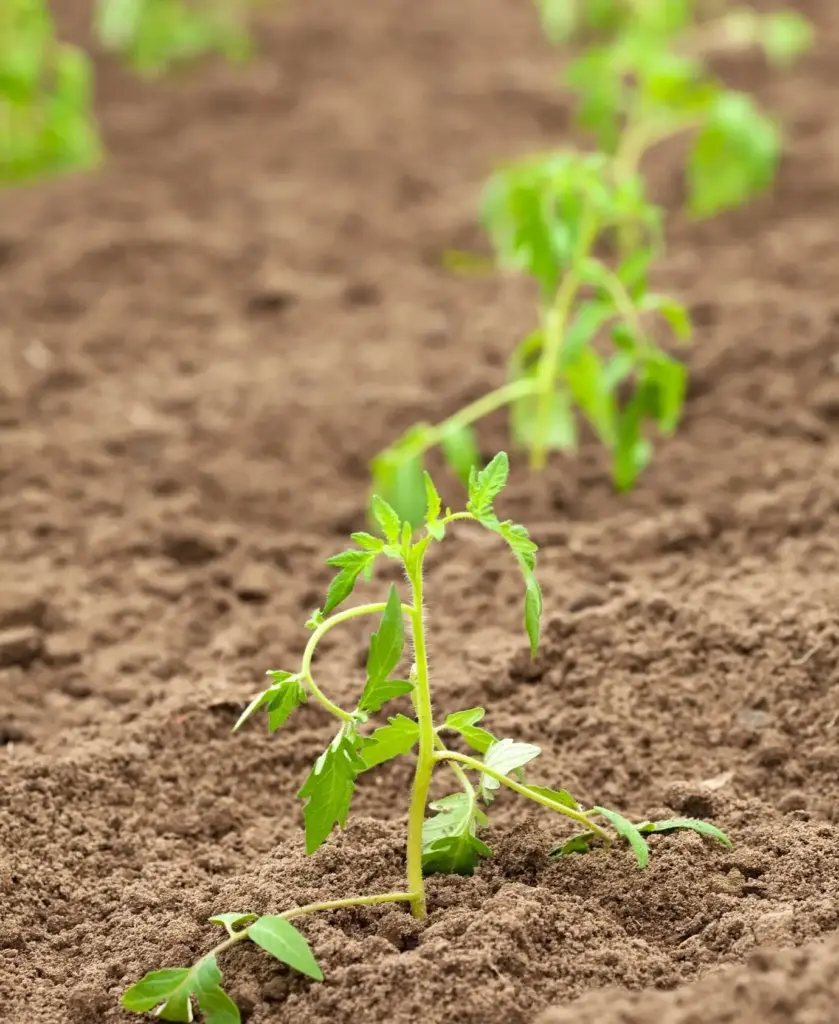
Even resilient containers face hiccups. Watch for drooping leaves, discolored edges, or stalled growth. Overwatering is common; lighten your mix and let pots drain thoroughly. Invite beneficial insects, remove debris, and refresh tired soil. With gentle observation and small adjustments, you’ll turn setbacks into skill-building moments that make your upcycled garden more resilient and rewarding every single week.