
From Teapots to Tubs: Mastering Drainage and Soil Mixes in Upcycled Planters

Today we explore drainage and soil mix tips for plants in upcycled vessels, celebrating creativity without sacrificing healthy roots. Expect practical methods, evidence-backed insights, and stories from real experiments with jars, tins, kettles, and crates, so your repurposed containers keep plants thriving, not drowning. Bring curiosity, a scoop, and a willingness to try clever hacks that respect water flow, air pockets, and your plant’s natural needs.

Understanding Water Flow in Unconventional Containers

{{SECTION_SUBTITLE}}

Perched Water Table Demystified
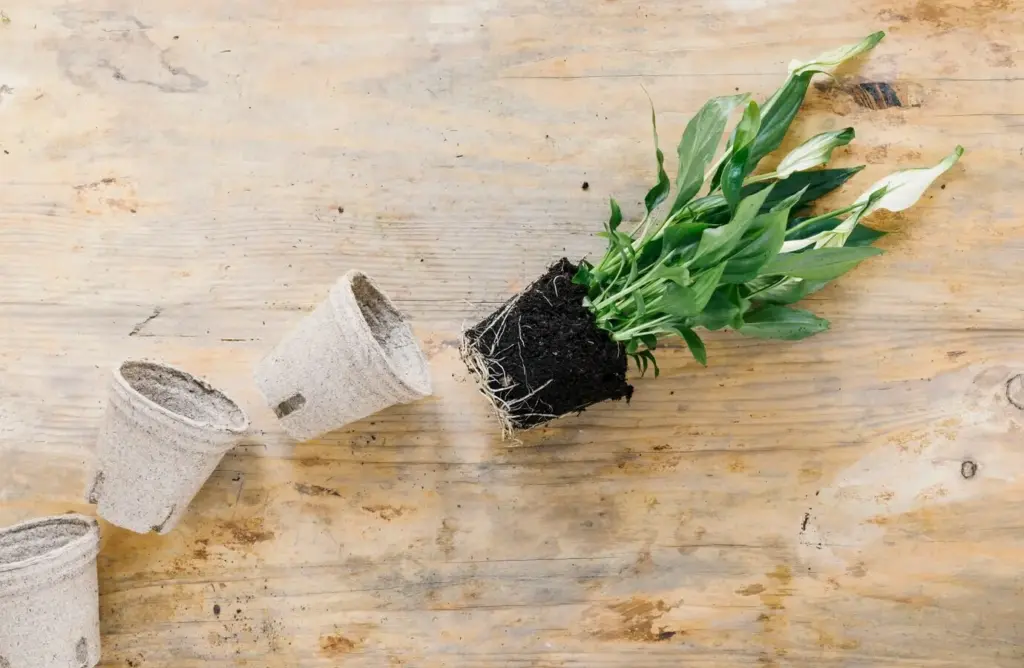
The layer of saturated mix that stubbornly lingers at the bottom of containers is not just folklore; it is a predictable effect of particle size and capillary forces. Upcycled vessels without drainage holes can intensify this zone, suffocating roots. By choosing coarser components and using wicks or false bottoms, you lower the perched layer, reclaim oxygen, and encourage roots to explore, creating a consistent, resilient moisture gradient.

Capillarity and Pore Size

Fine particles pull water upward and hold it tightly, while larger particles allow it to move and exit with gravity’s help. In unconventional vessels, this balance decides whether your mix becomes mud or breathes like a living sponge. Blend textures to build continuous pores, pairing bark, pumice, and perlite with just enough organic fiber, so water distributes evenly, drains predictably, and never smothers delicate root hairs eager for oxygen.

Drainage Solutions Without Drilled Holes

Sometimes drilling is impossible, unsafe, or simply not preferred for aesthetic reasons. Fortunately, you can still guide water away from roots using layered structures, wicking systems, and breathable materials. By combining false bottoms, mesh barriers, and absorbent exits, excess moisture finds a path even inside closed vessels. These approaches are discreet, reversible, and surprisingly effective, turning flea-market finds into plant-safe homes without compromising vintage charm or structural integrity in any way.

Creating a Reliable False Bottom

Build a lower chamber that collects and separates excess moisture from the root zone. Lightweight expanded clay aggregate, coarse gravel paired with mesh, or perforated plastic supports create space for water to settle safely. Above this, a geotextile or fine screen keeps soil from sifting down. The result is a controlled reservoir that reduces root suffocation, extends watering intervals, and stabilizes moisture, especially helpful for containers that cannot be drilled or modified.

Wicking Systems That Actually Work

A cotton or synthetic wick threaded through a tiny seam, a lid gap, or even under a decorative coaster can draw moisture away by capillary action. Place one end in the saturated zone and the other outside the vessel, allowing gravity to assist. Wicks also support bottom-watering when reversed. Experiment with thickness and material; too thin dries fast, too thick floods. A balanced wick tames extremes and keeps roots calmly hydrated.

Smart Barriers and Mesh Layers

Mesh screens, cut-to-fit plastic canvas, or breathable coffee filters create transitions between mix and structural layers. These barriers prevent soil migration while allowing water movement and air exchange. In antique containers with irregular interiors, flexible mesh adapts perfectly, preserving layout integrity. Consider adding side channels with rolled mesh for lateral aeration. This subtle architecture yields consistent drainage performance and makes later repotting cleaner, faster, and less disruptive for both roots and vessel.

Soil Mix Recipes Tailored to Upcycled Planters

A vessel’s shape, depth, and material influence how mixes behave far more than many realize. Succulents in a teacup need sharply draining textures, while herbs in a tin may benefit from moisture-retentive fibers. By balancing inorganic structure with organic nutrition, you support both airflow and sustained hydration. These adaptable recipes respect container quirks, plant preferences, and your watering rhythm, so every repurposed piece becomes a thriving, low-stress showcase rather than a maintenance headache.

01

Gritty Mix for Succulents and Cacti

Combine pumice or crushed lava rock with coarse perlite and sifted pine bark, minimizing fine dust that clogs pores. Optionally add a touch of horticultural charcoal for freshness, avoiding excessive amounts that can destabilize moisture. This blend sheds water quickly, lowers the perched zone, and mimics lean desert substrates inside shallow ceramics. Water thoroughly, then let the mix dry appreciably. Bright light, airflow, and patient intervals complete the recipe for compact, resilient growth.

02

Moisture-Retentive Blend for Herbs

Herbs appreciate steady moisture yet resent soggy roots. Blend coconut coir or well-aged compost with perlite and fine bark for balanced porosity. Incorporate worm castings sparingly for nutrients without collapse. In taller containers, layer slightly coarser material below to prevent saturation. This mix buffers against short drying spells, supports continuous harvests, and keeps flavors vibrant. Adjust watering by weight and scent—healthy herb soil smells earthy, not sour or stagnant after regular irrigation.

03

Lightweight Medium for Hanging Vessels

Hanging containers benefit from airy blends that reduce overall weight while protecting roots against rapid swings. Mix finely screened bark, perlite, and a modest amount of coir, adding sphagnum strands to stabilize moisture around root zones. This composition resists compaction during movement and wind. Pair with a shallow false bottom to catch drips, and schedule attentive watering. The result is buoyant greenery that sways safely, stays breathable, and remains refreshingly manageable overhead throughout changing seasons.

Reading a Plant’s Root Preferences

Before repotting, observe whether roots circle the top, dive straight down, or branch densely near the surface. This pattern reveals ideal container depth and width. For example, strawberries prefer shallow breadth, while rosemary enjoys slightly deeper, airy footing. Aligning vessel shape with biological tendencies minimizes stress, reduces transplant shock, and maximizes nutrient uptake. You gain sturdier stems, clean foliage, and flowering aligned with the plant’s inherent rhythm rather than forced compromise or constant correction.

Material Matters: Metal, Ceramic, Plastic, Wood

Each material changes moisture and temperature. Metal warms and cools rapidly, requiring vigilant watering. Glazed ceramic retains water longer, while unglazed clay breathes and accelerates evaporation. Plastics conserve moisture but can trap heat in full sun. Wood adds insulation yet may break down without sealing. Match species to these tendencies, and use liners or mesh sleeves to buffer extremes. The right pairing stabilizes roots, reduces rot risk, and keeps care pleasantly predictable all season.

Maintenance, Watering, and Troubleshooting
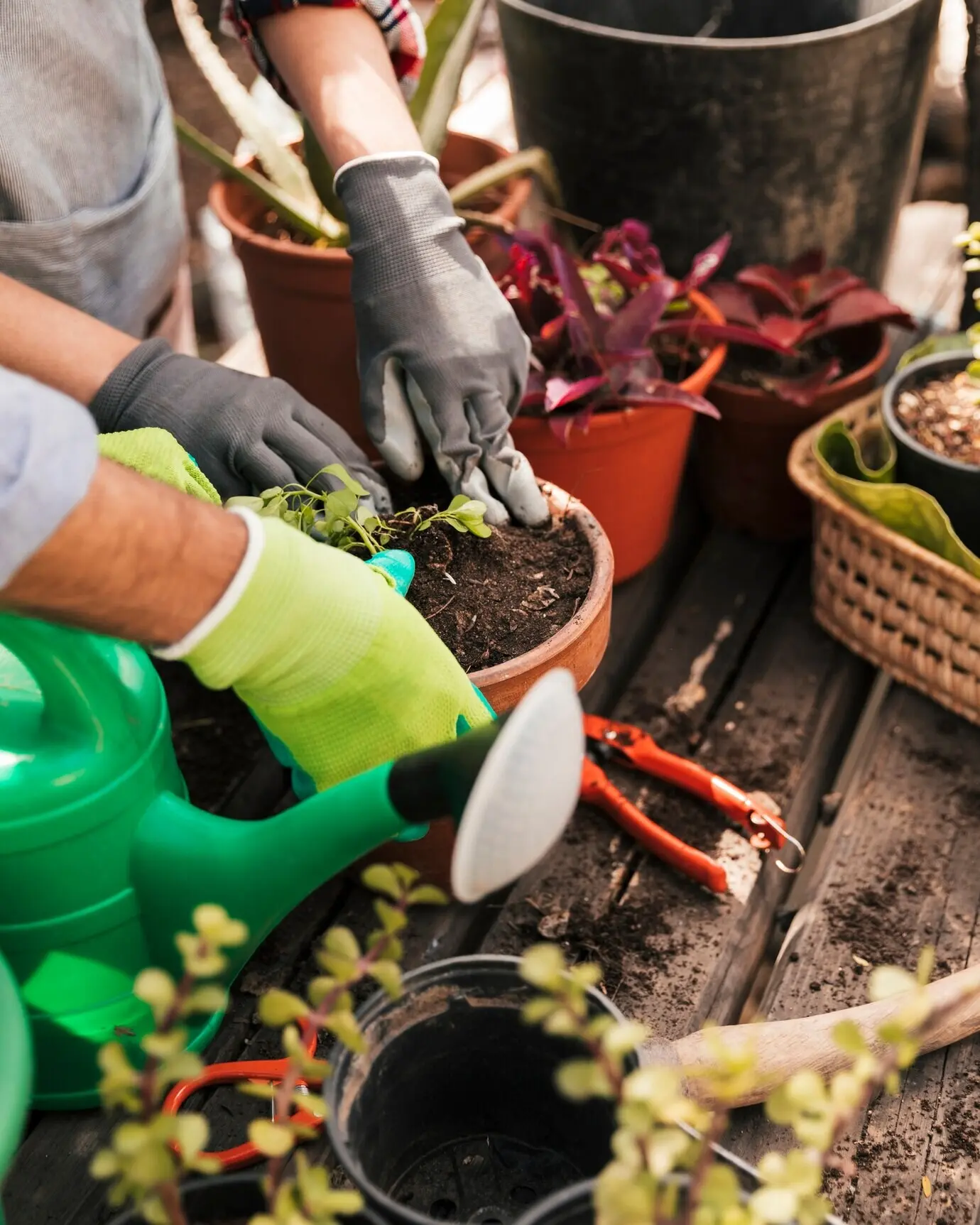
Even perfect mixes need attentive, flexible care. Seasonal shifts alter evaporation rates, indoor heating changes humidity, and plant growth transforms water demand. Learn to water by weight, watch foliage language, and use consistent testing methods. When issues arise—yellowing, droop, fungus gnats—address moisture balance first. Gentle adjustments and careful observation often restore harmony faster than dramatic interventions, keeping your upcycled displays beautiful, efficient, and deeply satisfying to nurture day after day.

Styling With Sustainability and Safety

Upcycling celebrates story-rich objects while respecting plant health and indoor environments. Protect surfaces from condensation, prevent leaching metals from contacting roots, and avoid glazes that may contain lead. Choose liners, sealants, and barriers thoughtfully, so beauty does not compromise safety. Invite community swaps, share cuttings, and document your builds. The most memorable displays honor both ecology and aesthetics, proving inventive containers can be safe, responsible, and long-lasting companions in everyday green spaces.

Safe Liners and Sealants

Food-safe liners, pond-grade PVC, or reusable plastic inserts create a protective boundary between roots and questionable vessel surfaces. Water-based, low-VOC sealants can reduce absorption in porous wood while preserving character. Always allow full curing before planting. These layers stabilize moisture behavior, protect furniture, and keep any untested finishes away from edible herbs. Thoughtful barriers offer peace of mind, preserving vintage detail and ensuring plants enjoy a predictable environment despite the vessel’s unconventional history.

Cleaning, Sterilizing, and Reuse

Before planting, scrub away residues with mild soap, rinse thoroughly, and sterilize using diluted hydrogen peroxide or boiling water if materials permit. Removing oils, fungi, and unseen grime prevents future issues and keeps mixes sweet-smelling. After a season, refresh by emptying, inspecting seams, and re-sterilizing. This ritual extends vessel life, informs better layering next time, and supports sustainable cycles of planting, harvesting, and display that honor both craft and horticultural best practices.

Inviting Community Participation

Share your vessel transformations, layering diagrams, and soil tweaks with friends or local groups. Invite feedback on drainage experiments, swap extra pumice or bark, and trade cuttings that suit particular container quirks. Community insight accelerates learning, turning small observations into reliable strategies. Ask readers to comment with their favorite upcycled finds or subscribe for seasonal mix updates. Together, experimentation feels lighter, results improve, and creativity flows generously from one household garden to another.
Puratilalanite
Privacy Overview

This website uses cookies so that we can provide you with the best user experience possible. Cookie information is stored in your browser and performs functions such as recognising you when you return to our website and helping our team to understand which sections of the website you find most interesting and useful.