
Grow More, Waste Less: Clever Greenery From Everyday Castoffs
Today, we dive into DIY Self-Watering Planters from Household Discards, turning bottles, tubs, and jars into reliable, low-maintenance homes for thriving roots. Discover how simple wicking, hidden reservoirs, and careful airflow transform forgotten containers into productive planters that conserve water, tame busy schedules, and spark playful creativity across windowsills, balconies, and classrooms.

How the Hidden Reservoir Keeps Roots Happy
Capillary action quietly ferries moisture upward from a reservoir, feeding roots steadily while leaving pockets of air for healthy respiration. With a simple wick, breathable potting mix, and an overflow safeguard, plants sip only what they need. This balanced rhythm reduces stress, curbs fungal issues, and buys you precious time between refills, especially during warm weeks or short trips away.
Thread a cotton shoelace, yarn, or fabric strip through a snug opening so one end rests in water and the other in soil. Water climbs the fibers, spreads through airy mix, and pauses when saturation is met. That natural pause prevents soggy roots while keeping moisture available as the plant resumes uptake.
Roots need oxygen as much as water. Drill or melt an overflow hole just below the soil platform so the reservoir cannot drown the mix. Pair that with side ventilation or a perforated cup to keep airflow steady, discourage anaerobic smells, and deliver lively, white roots instead of brown, suffocating strands.
Scouting Perfect Parts in Your Recycling Bin
Smart Picks: Plastics, Glass, and Metal
PET soda bottles slice cleanly and show water levels at a glance. HDPE buckets are durable for balcony tomatoes. Glass jars look elegant but need sleeves to block light. Avoid copper contacting soil, and double-check former chemical containers. When unsure, dedicate those to ornamental plants rather than edibles, prioritizing safety first.
Cleaning Tricks That Remove Odors and Residues
Soak labels in warm water with baking soda, then scrub adhesive with a little cooking oil. Neutralize lingering odors using a vinegar rinse. For sticky staining, a paste of baking soda and lemon works wonders. Always wash wicks thoroughly; lingering detergent or fabric softener residues can confuse capillary action and stunt early growth.
Low-Cost Tools You Already Own
A craft knife, scissors, awl, heated nail, or soldering iron covers most cuts and holes. A spoon becomes a soil scoop. A spare straw, pen body, or small conduit tube makes a simple fill neck. Keep plasters nearby, wear gloves, and cut away from hands to keep every project cheerful and safe.
Three Builds for Different Spaces
{{SECTION_SUBTITLE}}
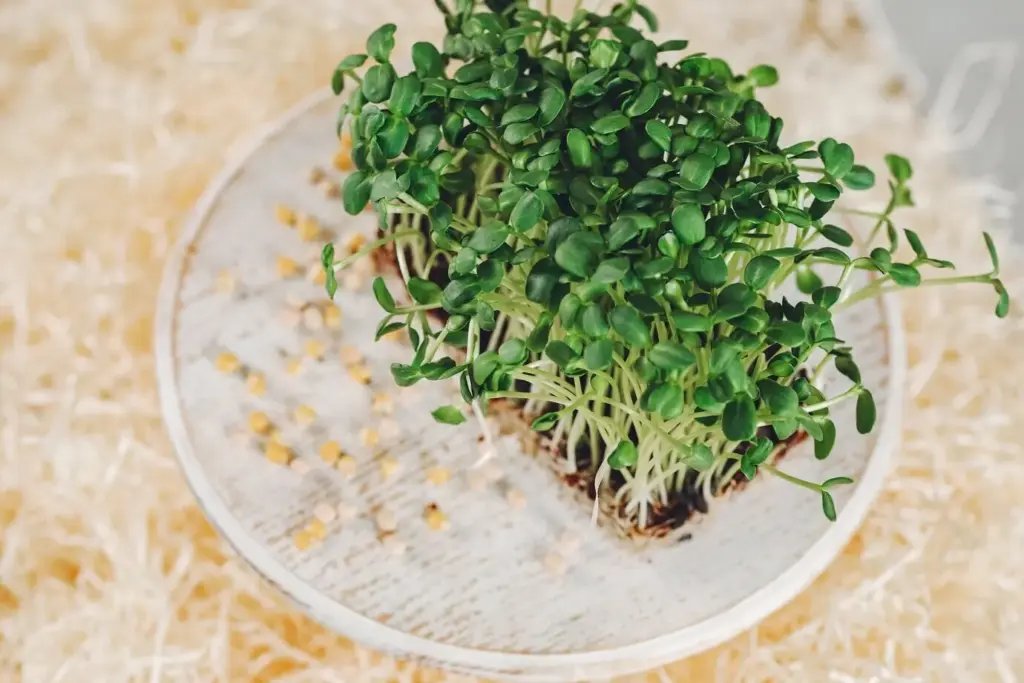
Windowsill Bottle Herb Grower
Cut a two-liter bottle roughly one-third from the top, invert the spout into the base to form a platform, and thread a shoelace through the cap as a wick. Add pre-moistened mix, plant basil or mint, and mark an overflow hole. Refill through the neck, and watch leaves perk even when weekends whisk you away.

Desk-Friendly Cup with Shoelace Wick
Nest a perforated yogurt cup inside a slightly larger tub, lace a cotton wick through the bottom, and keep the reservoir shaded. This tidy setup resists tipping, hides neatly beside a laptop, and survives missed meetings. Choose thyme or peperomia, label clearly, and schedule a midweek peek to learn your container’s unique sipping pace.
Reading Plant Signals with Confidence
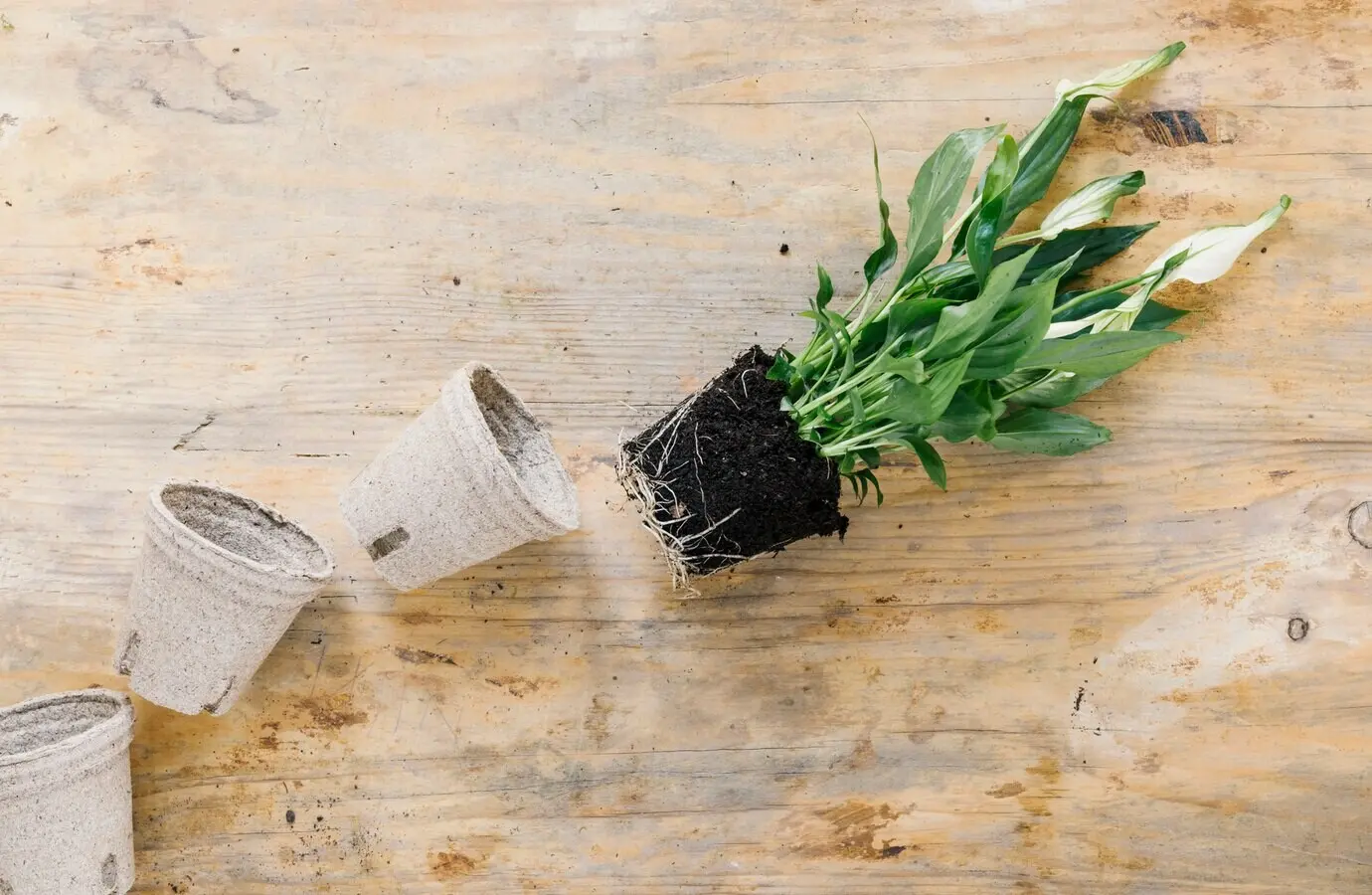
Wilting alongside a full reservoir usually means poor wicking or cold roots; drooping with an empty reservoir simply means refill time. Crisp edges suggest salts or heat stress. Pale new leaves hint at nitrogen needs. Respond gently, one tweak at a time, and note outcomes so your next adjustment honors each plant’s story.

Seasonal Tweaks for Heat, Cold, and Light
Summer heat speeds evaporation; enlarge the reservoir or add extra wicks for thirstier varieties. In winter, reduce water surface area, move containers from cold windows, and lengthen light exposure. During shoulder seasons, monitor overflow after rain on balconies. A lightweight fabric mulch slows losses, keeps mix evenly moist, and discourages pesky fungus gnats.
Style Upgrades and Space-Savvy Layouts
Upcycling can look stunning. Wrap bottles with jute, paint buckets in soft tones, or slip jars into woven sleeves. Group planters by water needs, not color, then layer heights for drama and airflow. Add discreet water-level windows, thoughtful labels, and a simple tray to catch drips while keeping shelves bright, calm, and inviting.

Seven-Day Water Log Challenge
Commit to a week of mindful refills. Each day, note reservoir levels, leaf texture, and weather. Share a single sentence plus one photo. Compare results with others using similar containers. You will quickly spot patterns, isolate quirks, and confidently decide whether to add wicks, enlarge tanks, or adjust sunlight angles.

Photo Parade and Build Notes
Upload before-and-after shots alongside a simple parts list, cut measurements, and overflow height. Seeing how different containers achieve the same function helps beginners leap forward. Celebrate creative wins, like a straw fill neck disguised as a stem. Comment generously, ask curious questions, and bookmark clever ideas to try during your next weekend experiment.