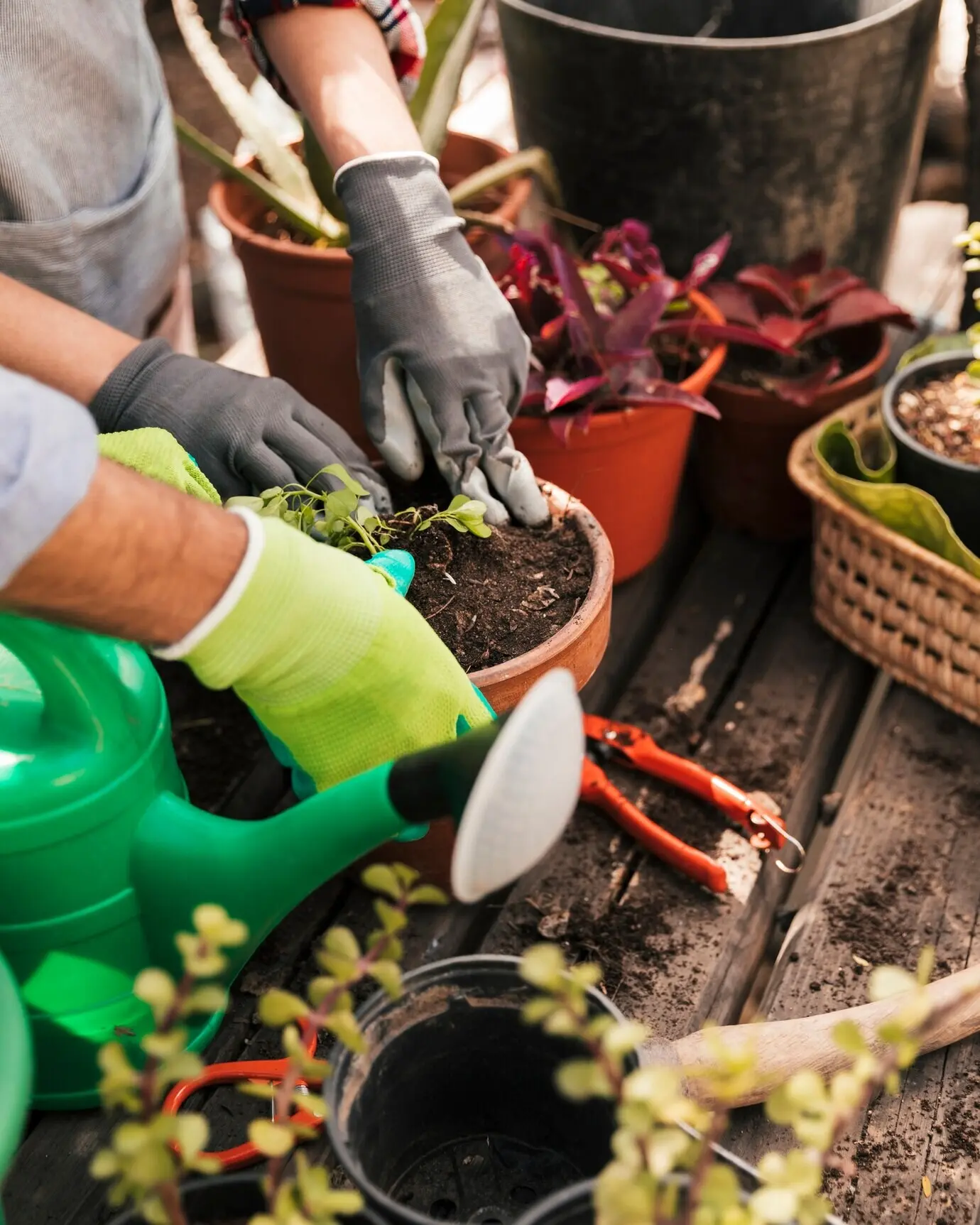
From Teapots to Tubs: Mastering Drainage and Soil Mixes in Upcycled Planters
Understanding Water Flow in Unconventional Containers
{{SECTION_SUBTITLE}}
Perched Water Table Demystified
Capillarity and Pore Size
Drainage Solutions Without Drilled Holes
Creating a Reliable False Bottom
Wicking Systems That Actually Work
Smart Barriers and Mesh Layers
Soil Mix Recipes Tailored to Upcycled Planters
01
Gritty Mix for Succulents and Cacti
Combine pumice or crushed lava rock with coarse perlite and sifted pine bark, minimizing fine dust that clogs pores. Optionally add a touch of horticultural charcoal for freshness, avoiding excessive amounts that can destabilize moisture. This blend sheds water quickly, lowers the perched zone, and mimics lean desert substrates inside shallow ceramics. Water thoroughly, then let the mix dry appreciably. Bright light, airflow, and patient intervals complete the recipe for compact, resilient growth.
02
Moisture-Retentive Blend for Herbs
Herbs appreciate steady moisture yet resent soggy roots. Blend coconut coir or well-aged compost with perlite and fine bark for balanced porosity. Incorporate worm castings sparingly for nutrients without collapse. In taller containers, layer slightly coarser material below to prevent saturation. This mix buffers against short drying spells, supports continuous harvests, and keeps flavors vibrant. Adjust watering by weight and scent—healthy herb soil smells earthy, not sour or stagnant after regular irrigation.
03
Lightweight Medium for Hanging Vessels
Hanging containers benefit from airy blends that reduce overall weight while protecting roots against rapid swings. Mix finely screened bark, perlite, and a modest amount of coir, adding sphagnum strands to stabilize moisture around root zones. This composition resists compaction during movement and wind. Pair with a shallow false bottom to catch drips, and schedule attentive watering. The result is buoyant greenery that sways safely, stays breathable, and remains refreshingly manageable overhead throughout changing seasons.
Reading a Plant’s Root Preferences
Material Matters: Metal, Ceramic, Plastic, Wood
Maintenance, Watering, and Troubleshooting