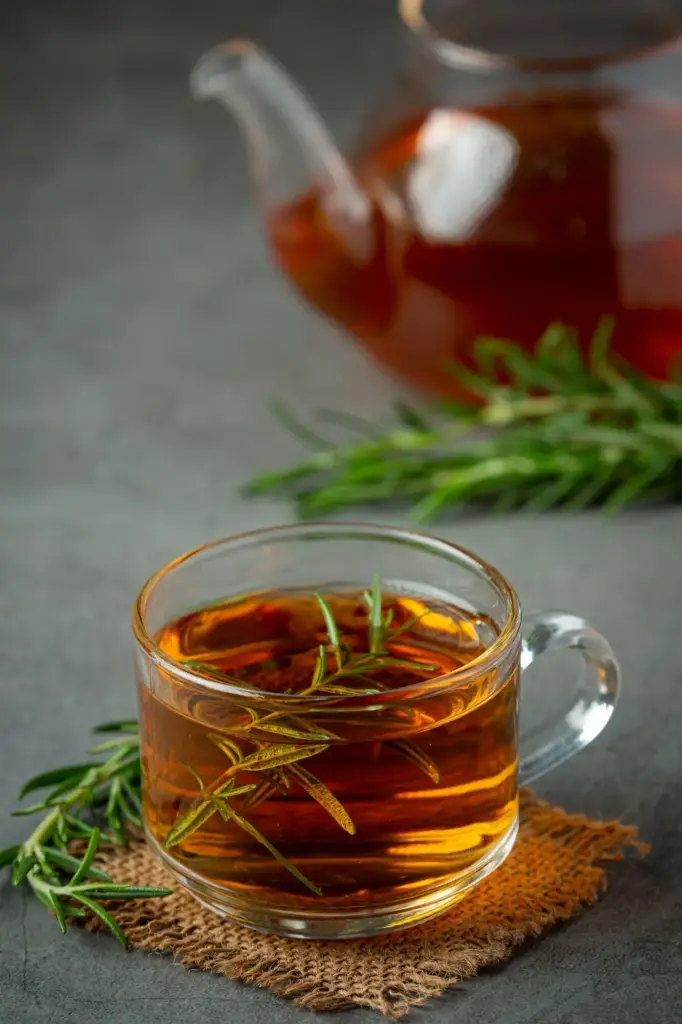
Grow Abundantly with Upcycled Containers You Can Trust
Understanding Materials and Food Safety Basics
Sourcing Smart: Finding Recycled Containers with Confidence
Reading Histories: Clues Hidden in Smells, Stains, and Labels
Your senses and sleuthing skills matter. Sniff for petroleum or chemical notes, glance for hazmat diamond labels or residue rings, and note discolorations that resist normal cleaning. Scrape gently to test for film, examine lid gaskets, and check batch stamps or resin codes. If the seller cannot describe previous use clearly, walk away politely. A free bucket is never worth doubt. Maintain a simple log for each container, capturing origin and cleaning steps, so future you always knows the story.
Best Bets: Food-Industry Castoffs That Shine in Gardens
Yogurt tubs, bakery pails, olive or feta barrels, and beverage syrup drums frequently arrive labeled food grade and built for durability. After a thorough wash, they accept drainage holes easily and hold consistent moisture for greens and fruiting crops. Restaurant supply outlets and commercial kitchens sometimes rotate these items out. Expect to trim labels and smooth edges. With a breathable liner or fabric wick, these containers become dependable homes for peppers, strawberries, and herbs, balancing thrift, safety, and cheerful urban abundance.
What to Avoid: Tires, Treated Wood, Mystery Plastics, and Doubt
Tire planters inspire debate, with studies suggesting limited transfer under certain conditions, yet uncertainty persists with heat and aging. Treated lumber before 2003 may contain arsenic; modern ACQ or CA can be acceptable with a solid barrier. Mystery plastics with no codes or solvent smells deserve rejection. Pressed boards with unknown binders, painted buckets with chipping coatings, and decorative metals with questionable solders add risk. When uncertainty lingers, choose proven food-grade containers, adding a liner if structural features still appeal.
Preparing and Decontaminating Recycled Containers
Designing Containers That Keep Plants and People Safe
Maya’s Olive Barrel Tomatoes and the Surprise of Zinc
Leo’s Coffee-Sack Herb Tower in a Reclaimed Crate
Anya’s City-Wide Bucket Swap That Fed a Block
Real Stories From Balcony and Backyard Growers